
Article Snapshot
What this article covers
An acceptable sample is an important milestone, but it does not automatically approve the tool, the full production process or every future shipment. This guide organizes tooling trials, sample identification, issue closure and release decisions into a traceable approval package for TV structural programs.
- Define the decision and evidence required at each development stage.
- Identify sample origins and distinguish trial conditions from intended production.
- Close findings with controlled changes, rechecks and explicit dispositions.
- Separate sample acceptance, tool acceptance, pilot review and production authorization.
A TV back plate sample can look satisfactory and fit the demonstration assembly while the program still has unresolved release questions. The sample may have been manually adjusted, made before the latest tool change or checked with an earlier board revision. Its appearance alone does not explain which conditions produced it or which future activity the customer has authorized.
Sample approval becomes useful when it connects an identified part to controlled requirements and a defined decision. The aim is to preserve that connection from the first tooling trial through corrective work, pilot production and release. This guide starts after the tooling route has been selected. It provides a planning framework for evidence and responsibility, rather than prescribing a universal trial quantity or promising a particular supplier approval service.
1. Define the decision each development stage must support
Agree on the meaning of the development stages before scheduling them. A tooling trial may investigate whether the tool forms the intended features. An engineering sample review may evaluate a selected part against specified design questions. First-article evaluation can examine conformance to defined characteristics. A pilot can investigate repeated manufacture under agreed conditions. Production release authorizes a specified manufacturing scope.
These are general planning distinctions. Customers may use different names, combine activities or require their own forms. The essential point is to write down the decision, the evidence needed, the responsible approver and the activities permitted afterward. A label such as “T1 passed” is weak communication if the teams attach different meanings to it.
Also identify dependencies. An engineering sample may be useful for checking connector access even while another feature awaits a tool adjustment, provided that limited purpose is documented. Conversely, sending a sample for final approval before its controlling drawing is settled creates avoidable ambiguity. Schedule each review around a question that the current development state can actually answer.
2. Agree on trial inputs before the tool is run
The trial baseline should identify the product drawing and model revisions, material specification, tool identity and current tool status. Record the intended equipment and any operations included in the trial. If the trial omits finishing, secondary operations or normal handling, state those omissions so the resulting samples are not mistaken for the final delivered condition.
Set an objective that can be evaluated. “Check the revised opening and affected mounting region” provides more direction than “make good samples.” Confirm which mating parts, fixtures, inspection instructions and acceptance criteria are available. Name the people who can interpret requirements and authorize changes, including the customer contact responsible for unresolved design inputs.
KINGSUN's mold manufacturing page describes tool design, manufacture, trials, adjustment and maintenance. That published scope supports a discussion about project needs; it does not establish the trial conditions for an unreviewed tool. Agree those conditions and the recording responsibilities in the actual development plan before treating the schedule as a release commitment.
3. Record the origin and condition of every sample
Give each sample or defined sample group a durable identifier. Connect it to the drawing revision, tool identity and revision, trial run, material identification, production date and relevant processing state. If multiple samples come from different adjustments during the same visit, distinguish them. A shared date alone cannot tell the reviewer whether a part was made before or after a corrective action.
Record manual work honestly. Deburring, local bending, trimming or fitting can help investigate a design question, but those activities change what the sample demonstrates. Identify the operation and explain whether it belongs to the intended repeat-production process. A manually corrected sample may demonstrate possible assembly fit while leaving the production method unresolved.
Keep the sample label, photographs and inspection report connected to the same identifier. Where a feature is difficult to label directly, use the approved container or carrier identification and preserve the relationship when unpacking. Agree who keeps the accepted reference sample and what authority it has. Storage of a sample without its approval record does not establish a reliable future acceptance baseline.
4. Treat stamping and molding trials as different processes
Stamping trials may investigate the sequence of cutting and forming, the condition of formed regions, springback, edge quality and interaction with handling or secondary operations. For a TV metal back plate, the reviewer may need to distinguish a local tool-related condition from a broader change in part shape. Record what was observed and where, without reducing the trial to an overall appearance judgment.
Molding trials involve different questions, potentially including filling, molded-feature definition, warpage, ejection and the appearance of relevant surfaces. Material identity and processing history can matter to the interpretation of the sample. A molded rear housing should therefore have its own trial objectives rather than borrowing the back plate's forming checklist.
This is general guidance, not a set of KINGSUN machine settings or a claim about a particular trial. Both processes still require traceability between tool condition, inputs, observations and changes. When an adjustment is made during a run, record its timing and identify which samples represent the new condition. That information lets the team evaluate the adjustment without assuming that every part from the trial was produced identically.
5. Match the inspection scope to the approval question
Agree which characteristics the report covers and which it does not. A report focused on revised mounting holes can be appropriate for a specific engineering question, but it cannot silently become full-part acceptance. Include the controlled requirement reference, sample identity and evaluation condition so the reader can connect each finding to the intended scope.
Protolabs' first-article inspection explanation describes the general role of checking initial parts against specifications and documenting results. Its service offerings and procedures are supplier-specific; they are not commitments by KINGSUN. Select inspection scope through the customer's program requirements.
The TV structural-component inspection guide covers the measurement planning in more detail. For approval, the additional task is to make sure the report answers the release question, lists exceptions and identifies any required checks that remain outstanding.
6. Check assembly fit with controlled mating parts
Trial assembly should identify both the sample and its counterparts. Record the board, display module, housing or bracket revisions that are actually involved, along with the setup and fastening sequence where relevant. An updated mating part can change the outcome even when the sample itself is unchanged. Preserve enough information for another team to reproduce the evaluation.
Separate observations into useful questions: did the part locate correctly, were fasteners accessible, did connectors clear their openings and did the housing seat in the agreed state? Photographs can support those observations if they identify the sample and viewing context. A single distant image of an assembled TV rarely explains a localized interface problem.
Record limitations when substitutes or temporary fixtures are used. A substitute may answer a narrow geometry question while leaving the actual assembly untested. Likewise, a successful fit review does not by itself complete whole-TV mechanical reliability, electrical, thermal or safety evaluation. Assign those responsibilities within the program instead of expanding a supplier sample signature beyond the evidence reviewed.
7. Close trial issues through evidence and rechecks
Illustrative general planning example: an identified back plate sample shows insufficient connector access during assembly with the current board and housing. Begin by recording the observed interference and the applicable requirement. Verify the sample baseline and counterparts before attributing the finding to the tool. A mismatched board revision or unclear opening definition may change the investigation.
The responsible engineers then distinguish a drawing issue, tool condition, setup issue or other cause using available evidence. Record the proposed action and its owner. If the action changes the product geometry, obtain design authorization and issue the appropriate revision. If it changes the tool or process, update that baseline and identify the affected features for recheck.
General planning example: use a trial issue log that preserves the relationship between the original finding and the closing evidence.
| Issue ID | Requirement | Observed condition and sample | Action and owner | Recheck evidence | Disposition |
|---|---|---|---|---|---|
| Illustrative issue A | Agreed connector access | Interference on identified trial sample | Confirm baseline; customer assembly owner | Counterpart revisions and setup record | Investigation open |
| Illustrative issue A, follow-up | Authorized opening definition | Updated sample after approved action | Implement change; assigned tool or design owner | Affected-feature report and assembly recheck | Approver records acceptance or further action |
Close an issue only against identified evidence. “Adjusted” describes an action, while “accepted after recheck” describes a disposition. If the recheck is incomplete, preserve that distinction and specify what activity remains blocked or conditionally permitted.
8. Separate sample acceptance, tool acceptance and production authorization
Sample acceptance concerns the selected samples and the evaluation scope. Tool acceptance concerns the agreed tool delivery and trial requirements. Production authorization concerns a controlled product and manufacturing scope. These decisions may occur together, but combining them into an unexplained signature makes it difficult to understand which responsibilities remain open.
General planning example: an approval matrix can make the distinction visible before the first approval meeting.
| Stage | Decision | Required evidence | Responsible approver | Remaining boundary |
|---|---|---|---|---|
| Engineering sample | Accept identified samples for agreed scope | Sample IDs, inspections and fit records | Customer engineering role | Does not approve every tool condition or lot |
| Tool acceptance | Accept agreed tool deliverable | Tool status, trial results and issue dispositions | Contractually assigned tool approver | Does not establish all production conditions |
| Pilot review | Accept results under defined conditions | Run records and planned checks | Assigned quality and production roles | Does not cover unassessed changes |
| Production release | Authorize specified version and scope | Consistent release pack and authorization | Named customer release authority | Does not automatically cover later revisions |
For conditional approval, state the permitted batch or activity, validity period, unresolved items and owner. Explain whether shipment is permitted or whether approval only allows the next development step. An exception tied to one sample or lot should not become an undocumented permanent acceptance rule.
9. Use pilot evidence to review repeatability
A pilot review asks what repeated manufacture demonstrates under the agreed conditions. Document which equipment, tool state, material, operators or operating arrangements are relevant to the planned assessment. Identify departures from the intended production flow, such as temporary handling or extra manual correction, so the customer understands the limits of the evidence.
Review the results across the defined run rather than selecting only the best sample. Consider the timing of observed issues, adjustments and checks, and preserve the affected-part identification when conditions change. If the pilot depends on an unfinished inspection fixture or provisional packing method, list those as open release decisions instead of hiding them behind acceptable geometry.
The customer and supplier should agree quantities, sampling rules and any capability assessment appropriate to the program. This guide supplies no universal pilot quantity, yield target or capability threshold. Evidence from one set of conditions supports decisions about that set; it does not guarantee an indefinite future process or eliminate the need for ongoing controls.
10. Maintain a release pack and reassess relevant changes
Bring the final evidence together in a release pack that identifies the current drawing, model, material, tool state, approved samples, inspection scope and issue dispositions. Include relevant assembly results and the packing version when delivery protection is part of the approval. Every record should either match the current baseline or explain its limited continuing relevance.
Make open items actionable. For each one, state the responsible person, required evidence and effect on the next activity. Confirm that the release signature identifies the authorized scope and that production personnel can find the corresponding current instructions. The KINGSUN OEM/ODM process overview gives the published coordination context; a project-specific release pack still requires agreement with the customer's team.
ISO 10007:2017 provides configuration-management guidance across the lifecycle. Consistent with that general background, retain the approved baseline and assess changes against it. A tool repair, material change, relocated operation, revised mating part or new packing contact may require a different revalidation scope. Evaluate the affected evidence before deciding whether the existing approval remains applicable.
11. Sources and engineering boundaries
The official ISO 10007 summary supports the configuration-management context, and the linked Protolabs article supports the general first-article concept. Neither establishes a KINGSUN certification, PPAP service, FAI package, trial parameter or measured customer outcome. The scenarios and matrices are planning examples rather than records of executed factory work.
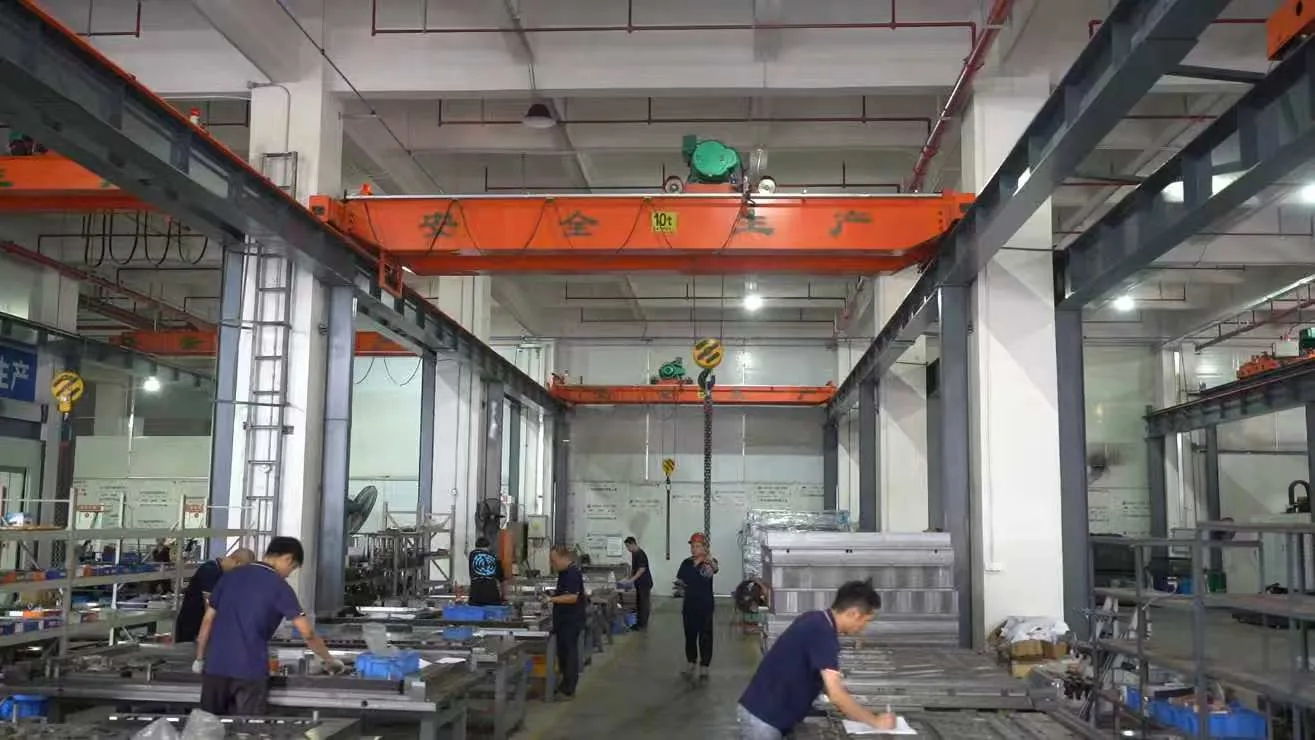
The workshop cover comes from supplied company materials and does not document a particular customer trial. Use the tooling-route guide for earlier commercial decisions and the back-plate manufacturing guide for process context. Actual approval criteria and release authority must be agreed for the program.